ServicesCarpet Installation
Carpet Installation in West University Place
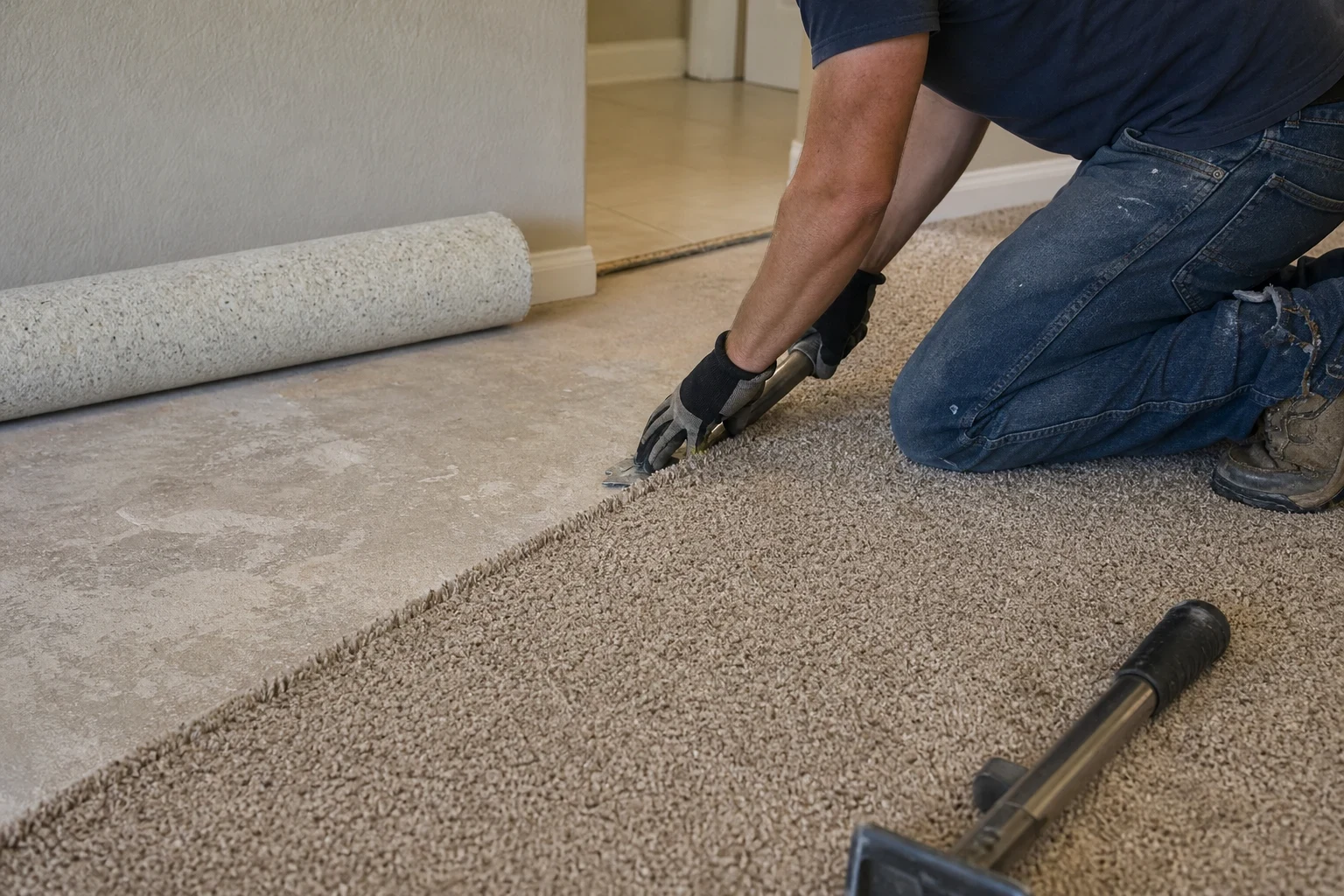
We pull up the old carpet, look hard at what is under it, fix what needs fixing, then lay new pad and carpet that sits flat and tight. In an older house, what is underneath matters as much as what you pick.
New Carpet Starts With What Is Under the Old One
Carpet is soft, quiet and warm underfoot. It is still the easiest way to make a bedroom or den feel finished. But it hides everything. When we tear out carpet in an older house, we often find a few layers of history: staples from two pads ago, tack strip nailed over older tack strip, a plywood patch where a wall used to be, or a squeaky board nobody ever fixed.
New carpet laid over that will show it. Ridges telegraph through, seams lift, and squeaks keep squeaking. So we clean the floor down to bare wood or concrete, fix the problems we can see, and tell you plainly about any we cannot fix without more work.
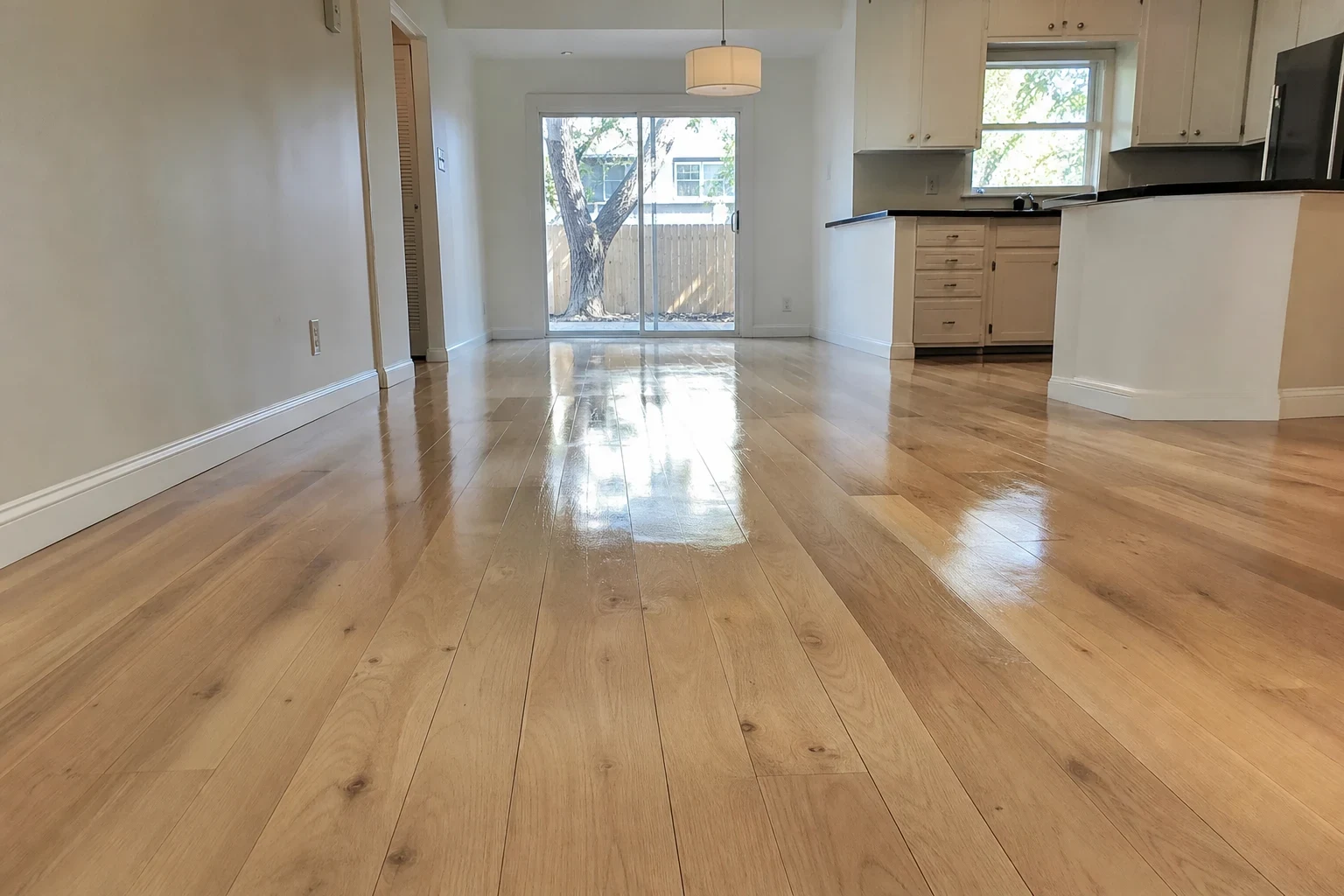
If carpet is not the right fit for a room, we will say so. A damp slab or a busy entry may do better with luxury vinyl plank or tile flooring, and we install those too.
What Our Carpet Installation Covers
Tear-out and haul-away
We remove the old carpet, pad and tack strip and take it with us. You do not have to rent a dumpster or fill your curb.
Subfloor cleanup
Every old staple, nail and glue blob comes up. On a slab we scrape and sweep. On a wood subfloor we set loose boards and screw down spots that squeak.
New tack strip and pad
We lay fresh tack strip at the right gap from the wall and a new pad matched to the carpet you chose. Old pad never goes back down.
Power-stretched carpet
We stretch the carpet with a power stretcher, not just a knee kicker. That keeps it tight, so it does not ripple a year from now.
Seams and transitions
We plan seams away from doorways and heavy traffic, and we fit transitions where carpet meets tile, wood or vinyl so the edges stay put.
Furniture and cleanup
We can move most furniture out of the room and back in. We vacuum before we leave.
Signs Your Carpet Is Ready to Go
Ripples and loose spots
Waves in the carpet mean it has stretched or the tack strip has let go. Restretching helps for a while, but old carpet often just keeps loosening.
Crunching or flat pad
If you can feel the floor through the carpet, or it crunches when you walk, the pad has broken down. It no longer protects the carpet or your feet.
Smells that come back
Pet accidents and spills soak into the pad and backing. Cleaning the top rarely gets them out for good.
Worn paths and matting
Halls and the spot in front of the couch go flat and gray first. Once the fibers are crushed, they do not come back.
Squeaks under the carpet
A squeak usually means a loose subfloor board. Replacing the carpet is the best time to fix it, since the floor is wide open.
How a Carpet Job Runs
- 1
Measure and pick
We measure each room and look at the carpet edges and vents. We talk through pad and carpet choices that fit how you use the room, and you get a written estimate.
- 2
Tear out and inspect
On install day we pull the old carpet and pad first. Then we look at the bare floor and show you anything we find, like rot near a door or an old patch.
- 3
Fix and prep
We pull staples, set new tack strip, and repair small subfloor problems. If something bigger turns up, we stop and talk with you before doing any extra work.
- 4
Install and finish
Pad goes down, then carpet is seamed, stretched and trimmed. We fit transitions, put vent covers back and move the furniture back in. Most homes are done in a day.
What Moves the Price of Carpet Installation
Most of the cost is the carpet and pad you pick and how many square feet you need. The rest comes down to the rooms themselves and what we find under the old carpet. We give you a written estimate before work starts, and we explain any change before we make it.
- Carpet and pad choice
- Fiber, weight and style change the price a lot. A denser pad costs more but makes the carpet feel better and last longer.
- Room layout and seams
- Carpet comes in fixed widths. Odd-shaped rooms, closets and halls can mean more waste and more seams.
- Subfloor repairs
- Loose boards, rot near doors or old patches that are not level add labor. We price these once we see the bare floor and you decide before we fix anything.
- Furniture and stairs
- Heavy furniture, a piano or a full room of beds takes time to move. Stairs are priced separately, and we cover them on our stair flooring page.
Carpet Installation Questions
Something not covered here? (346) 545-5749
Can you put new carpet over my old pad?
No. Old pad is compressed and often holds dirt, smells and moisture. New carpet over old pad wears out faster and feels worse. We always lay fresh pad.
What if you find damage under the old carpet?
We stop and show you. Small things like loose boards or stray nails are part of normal prep. Anything bigger, like rot or an uneven patch, we explain and price before touching it.
Do I need to empty the rooms?
Please clear small items, closet floors and anything fragile. We can move beds, dressers and couches. Ask us about very heavy pieces when you call.
How long until we can use the room?
You can walk on new carpet right away. Most rooms are back in use the same evening. Open a window or run a fan for a day or two to clear the new-carpet smell.
Is carpet a good idea on a concrete slab?
Usually yes, with the right pad. If the slab shows signs of moisture, we will tell you, and we may suggest carpet tile or luxury vinyl tile for that room instead.
Ready for New Carpet?
Tell us which rooms and what bugs you about the floor now. We will talk through carpet and pad options and set a time to measure.